Introduction: Trading gold and silver CFDs during geopolitical uncertainty CFD trading
El oro y la plata son metales preciosos ampliamente considerados como activos refugio durante períodos de tensión geopolítica, shocks inflacionarios e inestabilidad financiera. En 2026, los conflictos en escalada en regiones clave, las sanciones renovadas, las presiones inflacionarias persistentes y la incertidumbre en la política de los bancos centrales han devuelto estos metales al centro de la actividad comercial global.
Este artículo se centra específicamente en el trading de oro (XAUUSD) y plata (XAGUSD) como Contratos por Diferencia (CFD) en Deriv MT5. En lugar de comprar lingotes físicos, los traders especulan sobre los movimientos de precios, yendo en largo o en corto dependiendo de sus perspectivas del mercado. En mercados geopolíticos altamente reactivos, esta flexibilidad es crítica.
Comprender cómo los eventos globales se traducen en volatilidad, y cómo gestionar esa volatilidad utilizando controles de riesgo estructurados, es lo que separa el trading reactivo del posicionamiento estratégico.
Resumen rápido: Conclusiones clave para los traders
- Los CFD de oro y plata permiten posicionamiento en largo y en corto durante la inestabilidad geopolítica.
- Las decisiones de tasas de interés, los datos de inflación y la escalada de conflictos son los principales impulsores de la volatilidad.
- El oro normalmente se mueve inversamente al dólar estadounidense, amplificando la reacción a las señales de la Reserva Federal.
- La plata está influenciada tanto por los flujos de refugio seguro como por la demanda industrial, aumentando su volatilidad.
- Las herramientas de gestión de riesgos — órdenes de stop-loss, tamaño de posición y control de margen — son esenciales en las condiciones actuales.
- Deriv MT5 proporciona gráficos en tiempo real, indicadores técnicos y acceso demo para pruebas de estrategias.
Por qué la tensión geopolítica está impulsando el oro y la plata en 2026
El oro y la plata reaccionan rápidamente a la incertidumbre global porque se ven como reservas de valor cuando la confianza en las monedas o el crecimiento se debilita.
1. Escalada de conflictos regionales
Cuando las tensiones geopolíticas aumentan — ya sea a través de escalada militar, disputas comerciales o sanciones — el capital a menudo se desplaza hacia activos defensivos. El oro normalmente experimenta entradas inmediatas a medida que las instituciones reducen la exposición a acciones o mercados emergentes.
Cadena causa-efecto:
Escalada geopolítica → Sentimiento de aversión al riesgo → Venta de acciones → Rotación de capital hacia el oro → Aumento de precio.
La plata a menudo sigue, pero con mayor volatilidad intradiaria.
2. Política de bancos centrales y tasas de interés reales
Las expectativas de tasas de interés siguen siendo uno de los impulsores más fuertes del oro.
El oro no produce rendimiento. Cuando los bancos centrales aumentan las tasas agresivamente, los rendimientos de los bonos aumentan, haciendo que los activos sin rendimiento sean menos atractivos. Sin embargo, cuando las subidas de tasas se detienen, los rendimientos reales caen, o la inflación permanece persistente, el oro tiende a fortalecerse.
Mecanismo:
Señal restrictiva de la Reserva Federal → Dólar estadounidense más fuerte → El oro se vuelve más caro en otras monedas → Presión a la baja sobre el oro.
Inversamente:
Expectativas de recorte de tasas → USD más débil → La demanda de oro aumenta globalmente → Apreciación del precio.
Debido a que el oro se cotiza en dólares estadounidenses, las fluctuaciones de la moneda influyen directamente en su valoración.
3. Persistencia de la inflación
El oro se utiliza a menudo como cobertura contra la inflación. Si los datos de inflación sorprenden al alza, los traders anticipan erosión en el poder adquisitivo y buscan exposición a activos duros.
La plata puede beneficiarse de la demanda de cobertura contra la inflación también, pero su reacción a menudo se amplifica por su componente industrial.
4. Demanda industrial y el factor plata
A diferencia del oro, la plata tiene amplias aplicaciones industriales. Es un componente clave en:
- Paneles solares fotovoltaicos
- Electrónica y semiconductores
- Componentes de vehículos eléctricos
Si los datos de fabricación se fortalecen o la inversión en energía verde se acelera, la plata puede repuntar incluso si el oro permanece dentro de un rango.
Esta naturaleza dual hace que la plata sea más volátil. Reacciona tanto al estrés financiero como a las señales de crecimiento económico — a veces en direcciones opuestas.
Comprendiendo la volatilidad en metales preciosos
La volatilidad se refiere a la velocidad y magnitud de los cambios de precio.
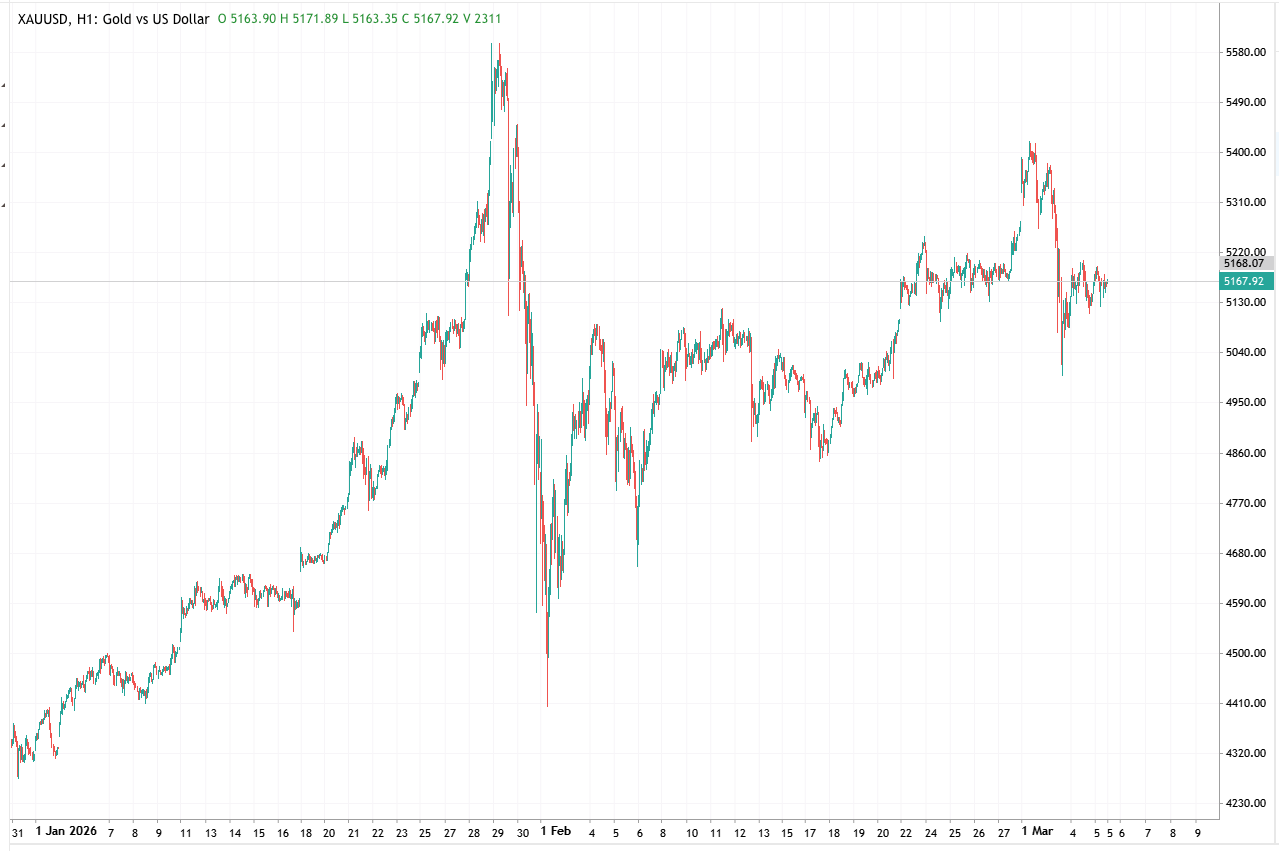
En picos geopolíticos recientes, el oro ha experimentado movimientos diarios superiores al 2-3%, con oscilaciones intradiarias de $40-$60 por onza que no son poco comunes. Los movimientos porcentuales de la plata son a menudo mayores debido a una menor profundidad de liquidez en comparación con el oro.
La volatilidad crea:
- Oportunidad para traders a corto plazo
- Requisitos de margen aumentados
- Mayor riesgo de deslizamiento del stop-loss
Presión emocional
Los traders que utilizan CFD deben prestar atención al apalancamiento. Si bien el apalancamiento amplifica los rendimientos potenciales, también magnifica las pérdidas. La gestión adecuada del margen se vuelve crítica durante mercados rápidos.
Estrategias de trading para mercados geopolíticos
Diferentes perfiles de traders responden de manera diferente a la inestabilidad.
Scalping durante picos de noticias
Los scalpers operan en gráficos de 1-15 minutos, apuntando a pequeñas ineficiencias de precio después de noticias de última hora.
Mejores condiciones:
- Volatilidad posterior al anuncio
- Aumentos de liquidez
- Velas de fuerte impulso
Herramientas en Deriv MT5:
- Órdenes de stop-loss ajustadas
- Trading de un clic
- Medias móviles a corto plazo
- Detección de divergencia del RSI
Enfoque de riesgo:
Mantenga los tamaños de posición pequeños debido a las rápidas oscilaciones de precio.
Trading de ruptura después de consolidación
El oro frecuentemente se consolida antes de titulares geopolíticos importantes.
Configuración:
- Identificar rango estrecho.
- Esperar una ruptura confirmada con expansión de volumen.
- Entrar en dirección de la ruptura.
- Colocar stop-loss debajo de la resistencia rota (o por encima del soporte para cortos).
Las rupturas falsas ("fakeouts") son comunes durante condiciones de incertidumbre. Esperar la confirmación de vela reduce el riesgo de latigazo.
Seguimiento de tendencias durante crisis sostenidas
Si la tensión geopolítica persiste durante semanas, el oro puede establecer una tendencia alcista respaldada por flujos institucionales.
Indicadores:
- Alineación de medias móviles de 21 y 50 períodos
- Máximos más altos y mínimos más altos
- RSI fuerte manteniéndose por encima de 50
Los traders de tendencia a menudo arrastran órdenes de stop-loss en lugar de establecer objetivos fijos, permitiendo la participación en movimientos extendidos.
Trading de posición para temas macro
Los traders a largo plazo pueden construir posiciones basándose en:
- Expectativas de inflación sostenidas
- Acumulación estructural de oro por bancos centrales
- Inestabilidad geopolítica prolongada
Estos traders utilizan niveles de stop-loss más amplios y ratios de apalancamiento más pequeños para resistir retrocesos temporales.
Niveles técnicos que importan
Los mercados geopolíticos respetan las zonas de precio psicológicas.
El oro a menudo reacciona alrededor de umbrales de números redondos (por ejemplo, $4,500 o $4,600 por onza). Estos niveles actúan como clústeres de liquidez donde se acumulan órdenes institucionales.
La plata frecuentemente se estanca en números redondos como $80 o $95.
Soporte y resistencia, retrocesos de Fibonacci y medias móviles a menudo convergen en estos niveles, fortaleciendo su significado.
Cómo operar con CFD de oro y plata en Deriv MT5
El trading de metales preciosos en Deriv implica los siguientes pasos:
- Abrir Deriv MT5.
- Seleccionar XAUUSD (oro) o XAGUSD (plata).
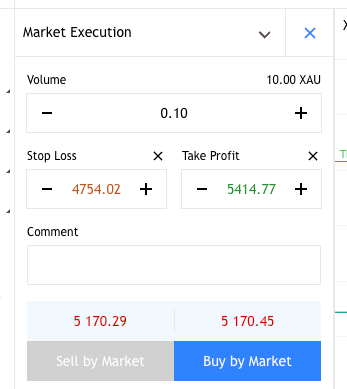
- Elegir el tamaño de la operación (el tamaño del lote determina la exposición).
- Establecer una orden de stop-loss para limitar el riesgo a la baja.
- Establecer una orden de take-profit para asegurar ganancias.
- Monitorear el nivel de margen para evitar liquidación forzada.
Debido a que los CFD permiten operaciones tanto en largo como en corto, los traders pueden responder a:
- Escalation by buying gold
- Desescalada o sorpresas de tasas vendiendo oro
La plataforma proporciona:
- Herramientas de gráficos avanzadas
- Indicadores técnicos integrados
- Marcos de tiempo personalizables
- Acceso a cuenta demo para pruebas de estrategia
Practicar en un entorno demo ayuda a los traders a comprender el impacto de la volatilidad sin exposición financiera.
Risk management in unstable markets risk management strategies
Durante la incertidumbre geopolítica, la gestión de riesgos es más importante que el momento de entrada.
Dimensionamiento de posiciones
Reduzca el tamaño del lote cuando la volatilidad se expanda. Una posición más pequeña en un mercado volátil puede conllevar el mismo riesgo que una posición grande en condiciones tranquilas.
Stop-loss discipline stop-loss orders
Cada operación debe tener un punto de salida predefinido. Las órdenes de stop-loss protegen el capital de trading y previenen decisiones emocionales.
Evitar el sobreapalancamiento
El alto apalancamiento puede parecer atractivo durante tendencias fuertes, pero las reversiones repentinas pueden erosionar rápidamente el capital.
Planifique escenarios con anticipación
Venta:
- ¿Qué sucede si el conflicto se intensifica?
- ¿Qué sucede si se anuncia una resolución diplomática?
- ¿Qué pasa si los datos de inflación sorprenden?
La planificación estructurada reduce el trading reactivo.
¿Cuándo podrían caer el oro y la plata?
Incluso durante la tensión geopolítica, ocurren correcciones.
Posibles desencadenantes bajistas:
- Avances diplomáticos rápidos
- Crecimiento económico más fuerte de lo esperado
- Subidas de tasas agresivas inesperadas
- Apreciación brusca del USD
Comprender tanto los escenarios alcistas como bajistas asegura una toma de decisiones equilibrada.
Conclusión: Oportunidad estructurada en la volatilidad geopolítica
Operar con CFD de oro y plata en Deriv MT5 durante períodos de inestabilidad geopolítica ofrece una oportunidad significativa — pero solo cuando se aborda con disciplina.
El oro tiende a beneficiarse de la incertidumbre sostenida y el debilitamiento de los rendimientos reales. La plata amplifica los movimientos debido a su sensibilidad industrial. Ambos activos reaccionan fuertemente a las señales de la Reserva Federal, los comunicados de inflación y los titulares de escalada.
Los traders exitosos en los mercados de 2026 comparten tres características:
- Conciencia macro clara
- Reglas técnicas de entrada y salida definidas
- Gestión de riesgos estricta mediante órdenes de stop-loss y apalancamiento controlado
La volatilidad no es inherentemente peligrosa — la volatilidad no gestionada sí lo es.
Utilizando la plataforma MT5 de Deriv, cuenta demo y herramientas de gráficos, los traders pueden estructurar su enfoque y participar en movimientos de precios globales sin poseer metales físicos
Cuestionario
¿Cuál de las siguientes opciones es más importante al operar oro y plata durante alta volatilidad?
Preguntas frecuentes